
By Jules · August 2026
Finding a rental here doesn't work the way it does at home. There is no MLS for rentals, no single site that has everything, and the best homes rarely stay available long enough to be advertised. This is how it actually works.
For regional context first, read Living in Costa Rica's Southern Zone.
How long-term rentals are actually found
- Property managers who hold portfolios of owner-occupied and investment homes
- Community and neighbor referrals — the single most productive channel here
- Local Facebook and WhatsApp groups, which are fast, noisy and full of duplicates
- Driving the roads you like and noticing what looks empty
- Coming down and being physically present for two to four weeks
Why many rentals never appear online
Owners here mostly want a good, low-drama tenant more than they want maximum exposure. If a manager or neighbor can fill a house in a week from a waiting list, it never gets posted. That's why being on someone's list beats refreshing listings.
Furnished vs unfurnished
Most Southern Zone long-term rentals are furnished, often including kitchenware and linens. Unfurnished exists but is a smaller pool — and furnishing a house here is expensive, since almost everything is imported. If you're staying a year, furnished is usually the better math.
Deposits, terms and payment
- Typically first month plus one month security deposit; some owners ask for last month as well
- 6- and 12-month terms are standard, with better rates for longer commitments
- Rent is often quoted in US dollars and paid by local transfer (SINPE) or bank transfer
- Green-season (May–November) rates are frequently negotiable
Utilities
Electricity is almost always tenant-paid and is the line item that surprises people — air conditioning can swing a bill from $60 to $300+. Ask for three recent bills. Water is usually cheap and sometimes included, but ask whether it's AyA, a community ASADA or a private well, and what happens in a dry March.
Internet
Confirm what is physically installed, not what is theoretically available. Fiber where it reaches, Starlink where it doesn't. If you work online, test the speed during your viewing.
Pets
Many owners here allow pets — this is a dog-heavy region — but expect a conversation about fencing, the pool, and yard damage. Ask early rather than after you've fallen in love with the house.
Roads and access
Access is part of the rental. A house 900 meters up a gravel road is a different life than the same house on pavement. Drive it yourself, ideally in the afternoon during rainy season, and ask who maintains the road and who pays for it.
Questions to ask before you rent
- Who pays for pool service, gardening, pest control and generator fuel?
- What is the water source, and has it ever run short?
- Can I see the last three electricity bills?
- Is there backup power, and what does it run?
- What's the internet provider and actual measured speed?
- How is maintenance requested, and what's the typical response time?
- What's the notice period and the early-termination clause?
- Is the road maintained privately, and is there a fee?
- Are there security cameras, gates, or a caretaker on site?
- What does the house feel like in October?
Lease considerations
Get a written lease, in both languages if that helps you, with the deposit terms, the maintenance split and the inventory of furnishings attached. Photograph the property at move-in. A clear lease protects the owner and the tenant equally — and a manager who insists on one is a good sign, not a red flag.
Seasonal availability
High season (December–April) is the tightest and most expensive window, because many homes switch to short-term. The best long-term inventory tends to surface in the shoulder months — April/May and September/October. Plan your search accordingly.
Why photos don't tell the whole story
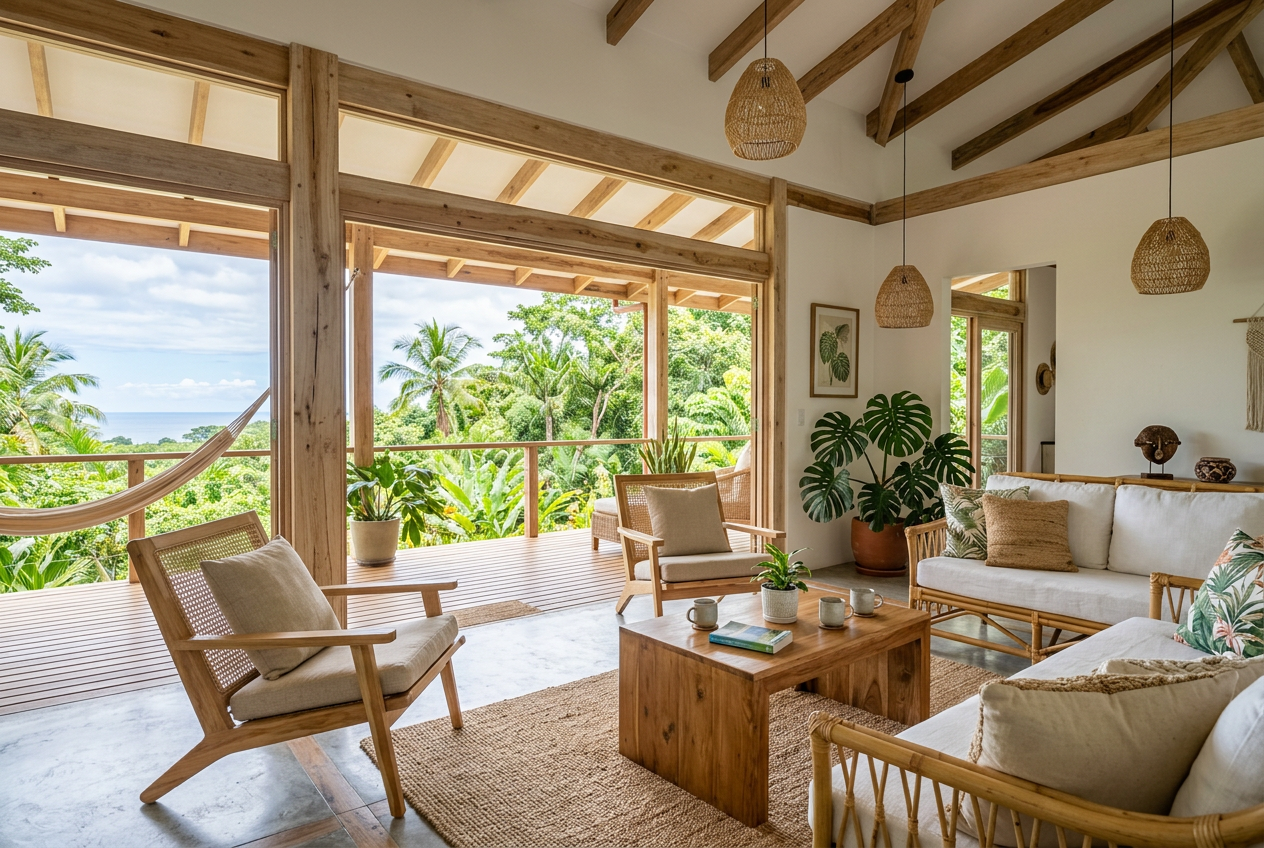
Photos can't show you the road, the afternoon heat, the neighbor's rooster, the highway noise, the mold risk on a shaded north wall, or how the house drains in a downpour. Whenever possible, have someone who lives here look at it — or come and stand in it yourself.
Why renting before buying makes sense
A year of renting tells you which community, which elevation and which access you can actually live with. It's the cheapest due diligence available, and it puts you inside the network where good properties circulate. If buying is the eventual goal, read Buying Property in the Southern Zone next. To see what is available now, browse long-term rentals in Uvita or Ojochal.
Find a Rental — tell us what you're looking for and we'll help match you with available homes throughout our network, including properties that are never publicly listed. Own a rental property? List your property so we can match it with renters searching the Southern Zone.